Something I hear a lot from creatives:
“I know I’m good at what I do… I just don’t seem to work like everyone else.”
Good. That’s usually the clue.
A lot of creatives worldwide are neurodivergent. Not in a dramatic, headline way. In a quietly brilliant, highly specific, occasionally chaotic way.
When that wiring is supported, it’s magic. When it isn’t, work feels way harder than it needs to.
Here’s how that often shows up.
ADHD creatives:
Idea machines. Fast thinkers. Big-picture brains.
You hyper focus on what matters and dodge what doesn’t.
Admin, time blindness, and long projects without structure are the usual villains.
You thrive with short deadlines, visible progress, and someone else owning the spreadsheet. Amen.
Autistic creatives:
Deep focus. Precision. Craft for days. You don’t skim. You see.
Vague briefs and endless meetings drain the life out of you.
You thrive with clarity, fewer interruptions, and space to go deep.
Dyslexic creatives:
Big-picture thinkers. Visual storytellers. Natural communicators. You connect dots fast and lead with ideas.
Text-heavy environments knock confidence for absolutely no good reason.
You thrive with visual tools, verbal thinking, and support around written work.
Dyspraxic creatives (DCD):
Strategic thinkers. Problem solvers. Calm in complexity.
You know what needs to happen, even if the steps get a bit freestyle.
Process-obsessed, speed-first systems miss your value entirely.
You thrive when outcomes matter more than method.
OCD creatives:
Detail lovers. Quality guardians. Finish-line heroes.
You care deeply about getting it right.
Without boundaries, perfectionism grabs the wheel.
You thrive with clear scope, defined “done” points, and limits on revisions.
Highly sensitive creatives:
Intuitive. Emotionally intelligent. Brilliant with nuance and story. You read rooms, brands, and subtext like a second language.
High-pressure environments drain fast.
You thrive with pacing, autonomy, and nervous-system-friendly rhythms.
See the pattern?
None of these brains need fixing. They need the right conditions.
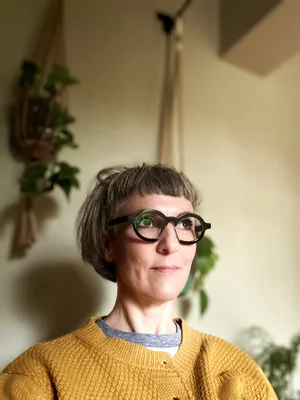
Quick context, because it matters. I have ADHD and DCD.
For years I thought I was the problem. Too scattered. Too slow in the wrong places. Too intense in others.What changed things wasn’t trying harder. It was learning how my brain works and building my work around that.
Work got easier. Not perfect. Easier. And a lot more sustainable.
Neurodivergent isn’t “less than”. It’s more than that in very specific areas.
The goal isn’t to change your brain. It’s to build a working structure that lets it do what it does best.
PS: If this sounds familiar and you want practical, personalised tips for designing your work around how your brain actually works, reach out. We’ll see what’s useful.
Carla le Roux | Creative and Confidence Coach
carla@be-extrabold.com
Share this with another creative who needs the reminder.